
Curious about the top omega gummies for kids in 2026? You’ll want clear labels, kid-friendly flavors, and reliable safety features as you compare options like plant-based blends, DHA focus, and allergy transparency. Each choice aims to support daily health without the guesswork. There’s more to uncover about what makes these gummies genuinely suitable for your child’s needs and routine. Let’s explore what sets them apart.
Key Points
- Plant-based, fish-free omega gummy options (flaxseed/algae) support kids 2+, with clear omega-3-6-9 and DHA labeling for easy comparison.
- Brain, vision, and immune health benefits highlighted in formulas like Feel Great DHA and NuBest Omega-3 Gummies.
- Popular kid-focused formats include bear-shaped or chewy gummies, citrus flavors, and 1–2 gummies daily for simplicity.
- Multivitamin gummies with omega-3-6-9 offer broad nutrition (20 essentials) in 2-month quantities for steady intake.
- Safety and quality features to compare: FDA/GMP facilities, third-party testing, non-GMO ingredients, and allergen labeling.
Omega 3-6-9 + DHA Gummies for Kids (60)
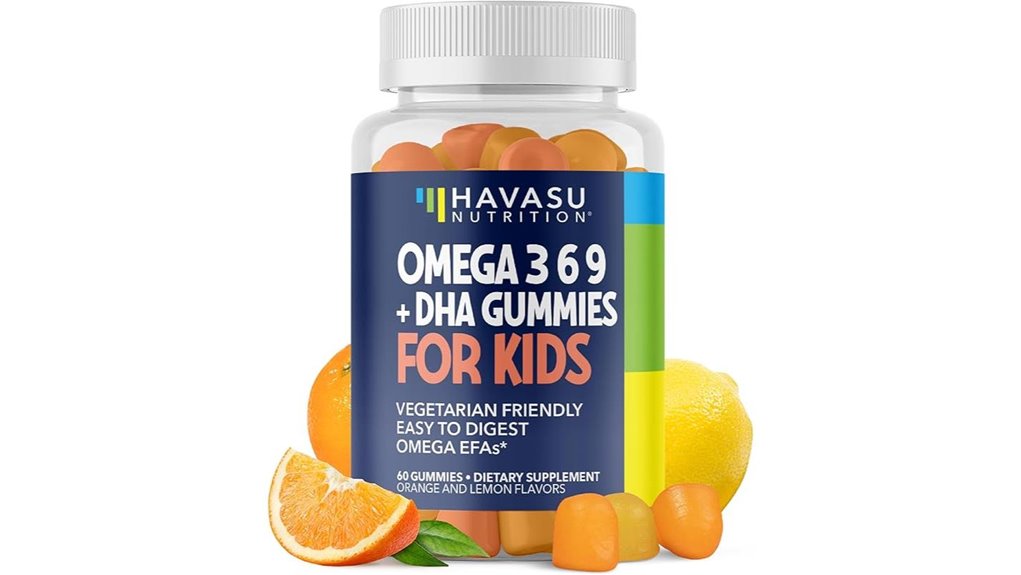
If you’re looking for a fish-free option that still supports brain development and immune health, Omega 3-6-9 + DHA Gummies for Kids (60) are a top pick. You get non-fish omega sources from flaxseed and algae, delivering 3-6-9 plus DHA to help cognitive growth and immune function. Suitable for kids 2+, these gummies are vegetarian, non-GMO, gluten-free, with no artificial flavors or sweeteners. Plant-derived colors from annatto and turmeric keep it natural. Soft, chewable, and easy to digest, they’re designed for daily use without a fishy aftertaste. Citrus flavors—lemon and orange—keep kids satisfied while you support health.
Best For: Kids aged 2+ who want a fish-free, plant-based source of omega fatty acids (3-6-9 and DHA) with no artificial flavors and a kid-friendly citrus taste.
Pros:
- Fish-free alternative to traditional fish oil with DHA
- Vegetarian, non-GMO, gluten-free; plant-derived colors from annatto and turmeric
- Convenient soft chews with no fishy aftertaste and kid-friendly citrus flavors
Cons:
- May be more expensive per serving than some fish-oil options
- Some kids may dislike citrus flavors or chew texture
- Requires daily consumption to maintain ongoing DHA/omega intake
Feel Great DHA Gummies for Kids: Brain & Vision Support
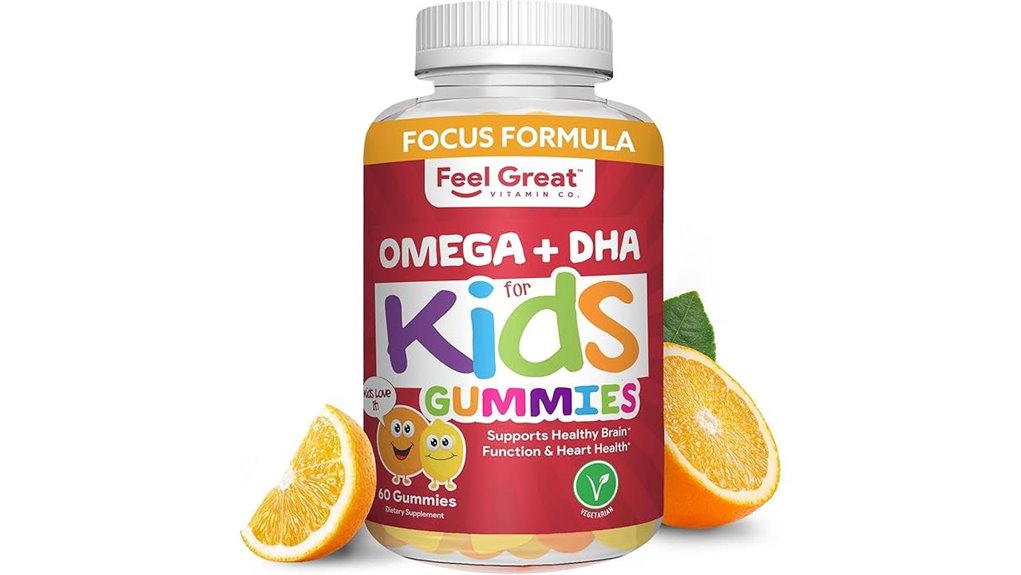
Feel Great DHA Gummies for Kids stand out for parents seeking a plant-based, kid-friendly option that combines omega-3, 6, and 9 with DHA to support brain function, vision, and heart health. You get complete DHA gummies for kids with Omega 3 6 9 + DHA, designed to aid essential organ function, oxygen circulation, focus, and energy. This citrus-flavored, vegetarian formula is gluten free, uses chia and algae for DHA, and includes essential vitamins. Kids love the taste and miss the fishy aftertaste, while Feel Great Vitamin Co. backs a trusted, broad line of kid-focused supplements. Easy, tasty nutrition for growth and learning.
Best For: Parents seeking a plant-based, kid-friendly DHA gummy that supports brain function, vision, and heart health for children.
Pros:
- Plant-based DHA from algae and chia, catering to vegetarians/vegans
- Tastes pleasant with no fishy aftertaste, increasing likelihood of daily use
- Gluten-free formula with added essential vitamins, supporting overall growth
Cons:
- May be pricier than conventional fish-oil supplements
- Some kids might still dislike any gummy texture or flavor
- Contains multiple ingredients; some children with allergies should review labels carefully
NuBest Omega-3 Gummies for Kids/Teens, 60 Orange Vegan Gummies

NuBest Omega-3 Gummies for Kids/Teens stand out for families seeking a plant-based, kid-friendly omega-3 option with a clean, fish-free formula. These 60 orange vegan gummies are a tasty alternative to pills, suited for ages 2 and up to support brain development, focus, energy, and immune health. Each 1-month supply delivers 145 mg Omega Fatty Acids, including 90 mg Omega-3 (ALA) from flaxseed oil, with a natural orange flavor and citrus pectin texture. They’re gluten-free, dairy-free, GMO-free, and gelatin-free, produced in the USA in an FDA-registered, GMP-certified facility, ensuring quality and safety.
Best For: Families seeking a plant-based, fish-free omega-3 option for kids 2 and up to support brain development, focus, energy, and immune health.
Pros:
- Plant-based, vegan omega-3 source (flaxseed oil) with no fishy aftertaste
- 60 orange gummies, 1 month supply, easy-to-take daily option for kids
- Gluten-free, dairy-free, GMO-free, gelatin-free, produced in a USA FDA-registered, GMP-certified facility
Cons:
- May be less potent per gummy for older teens needing higher omega-3 intake
- Some kids may dislike the orange flavor or gummy texture
- 1-month supply may require frequent repurchasing for growing children
Omega 3 Fish Oil Gummies with DHA & EPA

Pros:
- High-strength EPA and DHA formulation with targeted heart and brain health support
- Burpless, easy-to-chew gummies in a convenient orange-flavored format
- Dense EPA/DHA content per serving with good bioavailability in a daily-use product
Cons:
- Gummies may be less suitable for those who prefer capsule forms or have sensitivity to fish-derived products
- No price or rating information provided (pricing not included)
- Daily use requires consistent consumption to achieve ongoing benefits
Kids Multivitamin Gummies with Omega 3-9 (20 Essentials)
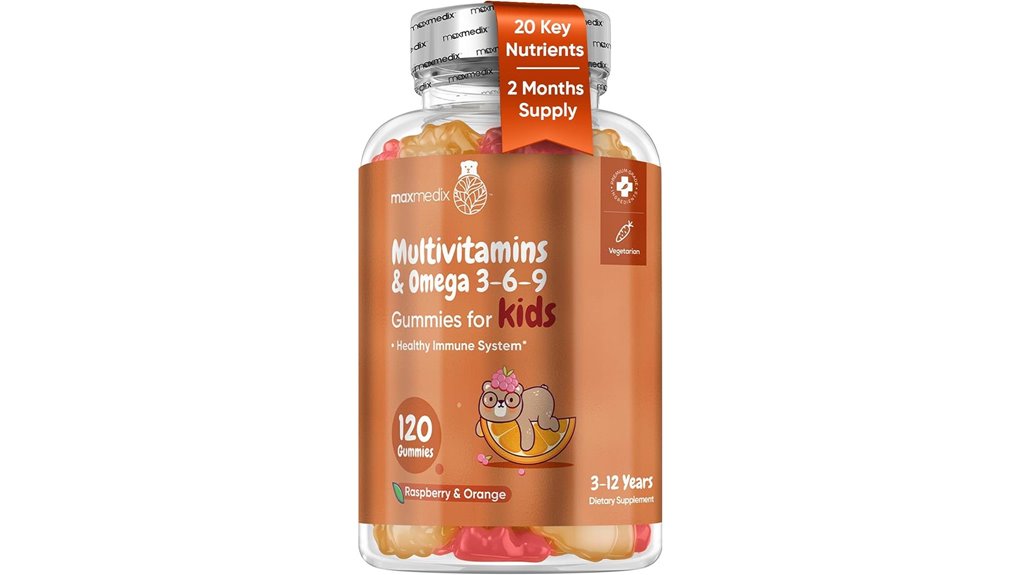
Looking for a kid-friendly multivitamin that also covers omega fats? Meet maxmedix Kids Multivitamin Gummies with Omega 3-6-9. This 2-month supply offers 20 essential vitamins and minerals to support immune health, energy, and development, in bear-shaped gummies for kids ages 3–12. You’ll get vitamins A, C, D, E, B-complex, zinc, and flaxseed-derived omega 3-6-9, all in a vegetarian, non-GMO, gluten-free, lactose-free formula with no artificial flavors. It’s gentle on the tummy and designed not to stick to teeth. GMP and ISO approvals back its quality; each bottle contains 120 gummies for easy daily use.
Best For: Parents seeking a kid-friendly, omega-inclusive multivitamin that is vegetarian, non-GMO, and gentle on little tummies for children ages 3–12.
Pros:
- Contains 20 essential vitamins and minerals plus omega 3-6-9 from flaxseed oil
- Vegetarian, gluten-free, lactose-free, non-GMO with no artificial flavors
- Bears-shaped gummies designed to be gentle on teeth and easy to take daily
Cons:
- Gummies, so taste preferences may vary and some kids may not finish the bottle
- Requires daily routine (two gummies per day) to maintain the two-month supply
- Contains omega fats and sugar base; not suitable for children with specific dietary restrictions beyond listed notes
Factors to Consider When Choosing Omega Gummies Kids Nutrition
When you choose omega gummies for kids, start with ingredient sourcing transparency and look for clear labels on where the nutrients come from. Consider plant-based options if you prefer vegetarian or allergen-friendly formulas, and check taste and palatability to ensure your child will actually take them. Also review daily dosage convenience and any certifications or safety seals to verify quality and accuracy.
Ingredient Sourcing Transparency
Transparency in ingredient sourcing matters for omega gummies kids nutrition. You’ll want explicit details showing whether omega-3 comes from algae or flaxseed and if DHA comes from non-fish sources, confirming plant-based origins. Look for labels that specify supplier transparency and traceability across the supply chain, so you know who handled each ingredient. Check for third-party certifications or audits—GMP, ISO, or FDA registration—that back reliable sourcing practices. Seek products that disclose geographic origin or country of manufacture for key ingredients, helping you assess quality and safety. Be wary of vague statements; demand concrete information on ingredient origins and any processing intermediaries. Clear sourcing data empowers you to choose gummies with accountable, traceable ingredients your kids can trust.
Plant-Based Options Availability
Many families seek omega gummies for kids that align with plant-based diets, and several practical options exist. Plant-based omega gummies typically source omega-3s from flaxseed oil (ALA) and algae-derived DHA, avoiding fish ingredients. These formulas are often labeled vegan, non-GMO, gluten-free, and dairy-free to accommodate common dietary restrictions. Algae-based DHA provides a direct, fish-free alternative to fish oil, helping reduce fishy aftertaste concerns. Many options emphasize natural flavors and plant-derived colors, like annatto or turmeric, to appeal to children without artificial additives. Availability varies by product line, with some brands offering complete omega-3-6-9 blends plus DHA entirely from plant sources for kids aged 2+ or 3+.
Taste and Palatability Factors
Choosing omega gummies for kids hinges on taste and texture that kids actually want to eat. You’ll notice citrus flavors like lemon and orange work well to mask fish oil and boost acceptance. Plant-based formulations, using flaxseed oil or algae, can keep pleasant tastes while avoiding fishy aftertastes. Gummies labeled as fish-free or fishy-taste-free tend to improve palatability for kids sensitive to aftertastes. Texture matters too: soft, chewy gummies with natural flavors make chewing easy and support daily intake. Sweetness should feel balanced, with fewer artificial flavors or sweeteners, since that can influence taste perception and overall appeal. Prioritize gummies that harmonize flavor, texture, and a clean ingredient profile for steady kid engagement.
Daily Dosage Convenience
Daily dosage convenience matters because it directly affects both adherence and routine. You’ll find gummies and bear-shaped formats that kids chew easily, helping them fit daily intakes into busy days. Many products specify a fixed amount, like 1–2 gummies per day, so you can streamline morning and bedtime routines without guesswork. Monthly or multi-month supplies, such as 60–120 gummies per bottle, keep consistency and reduce refills, supporting steady daily use. Plant-based, fish-free formulations can ease meal-time hesitancy and boost daily palatability. Clear labeling of serving size and frequency guides caregivers to follow the intended plan, preventing under- or over-dosing. Look for simple, unambiguous packaging to reinforce dependable daily adherence.
Certifications And Safety
Ensuring safety and quality matters just as much as how easy the gummies are to dose, so you’ll want clear certifications and transparent testing. Start by checking that the product comes from FDA-registered facilities with GMP certification, ensuring standardized safety practices. Look for ISO certification as a signal of consistent management systems and product quality across production. Seek third-party testing and labeling claims, like independent lab results, to verify nutrient content and purity. Make sure omega sources are clearly disclosed—flaxseed, algae, or fish oil—and that additives are non-GMO and free from artificial flavors. Finally, confirm allergen statements and dietary suitability (gluten-free, dairy-free, vegetarian/vegan) to match your child’s needs.
Common Questions
Are These Gummies Suitable for Children With Seafood Allergies?
Yes, these gummies can be unsuitable if your child has seafood allergies. Check the label for fish-derived ingredients or cross-contact warnings, and look for terms like “fish oil” or “shellfish” on the ingredient list. If you’re unsure, consult your pediatrician before giving them. Consider allergen-free options, and opt for gummies labeled as manufactured in a facility that doesn’t process shellfish or fish. Always start with a small amount and monitor reactions.
Do They Replace Daily Vitamin Intake or Supplements?
Gummies don’t replace daily vitamins or supplements. Think of them as friendly scouts in your child’s nutrition army, not the whole battalion. You still need a balanced diet and any prescribed vitamins. Omega gummies can support healthy fats, but they’re not a substitute for missing nutrients or medical advice. Check labels for allergens, dosage, and age guidance, and consult your pediatrician to tailor what your child needs today.
What Is the Recommended Daily Dosage by Age?
For kids, the recommended daily omega-3 dosage varies by age: roughly 0.5 to 1 gram (500–1000 mg) of combined EPA and DHA daily for ages 1–3, about 700–1000 mg for ages 4–8, and 1000–1500 mg for older children, with guidance from a pediatrician. Check product labels to ensure the DHA already includes EPA. Don’t replace meals or vitamins; use gummies as a supplement to a balanced diet.
Are There Added Sugars or Artificial Sweeteners?
There’s no universal answer—some gummies have added sugars or artificial sweeteners, others don’t. Check labels: you’ll often see sugar, corn syrup, or glucose, plus sweeteners like sucralose or xylitol. If you’re avoiding added sugars, look for “no added sugar” claims and options with natural sweeteners or lower sugar per serving. If sensitive to artificial sweeteners, opt for versions flavored with real fruit concentrates. Always verify with your pediatrician before introducing new supplements.
How Long Before Effects Like Mood or Focus Are Noticed?
You’ll usually notice mood or focus changes within a few days to a couple of weeks of taking the gummies consistently. Start with the recommended daily amount, take them at the same time each day, and track how you feel. If you don’t notice a difference after about four weeks, reassess with your healthcare provider. Remember, omega gummies support overall wellness, but results can vary based on diet, sleep, and activity.
All Together
If you’re weighing these options, you’ll want gummies that fit your child’s tastes, dietary needs, and safety confidence. The theory that “more DHA equals better brain boost for kids” isn’t a given—quality, bioavailability, and overall nutrition matter just as much. Look for transparent labeling, third-party testing, and clear allergen info. When in doubt, consult a pediatrician and start with a small, supervised dose to see how your child responds and enjoys them.