
In 2026, you’ll find plant-based protein powders that blend complete vegan proteins with flavor and texture, you’ll see options from vanilla indulgence to unflavored, you’ll notice boosters like prebiotic fiber and clean certifications. You’re invited to compare bases like pea, brown rice, and hemp, to gauge creaminess and digestion. Stay with this guide to discover which blend suits your goals and how it fits into shakes, baking, or snacks, and what to choose next.
Key Points
- Prioritize blends with complete plant-based proteins (pea, rice, quinoa) for balanced amino acids in smoothies.
- Favor options with low or no added sugar and beneficial prebiotic fiber for digestion.
- Consider flavors and textures (vanilla, unflavored) for mixability with dairy-free milks.
- Check for third-party testing and certifications (non-GMO, vegan, gluten-free) for reliability.
- Look for versatility: blends suitable for shakes, baking, and cooking to maximize smoothie use.
PB2 Plant-Based Vegan Protein Powder (2lb)
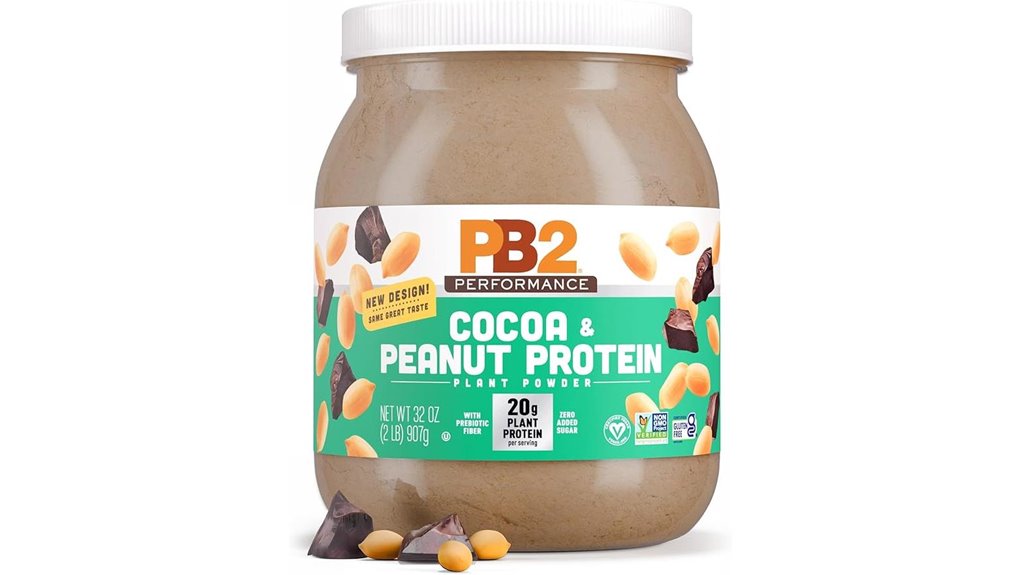
If you’re after a chocolate-packed, dairy-free protein boost with clean ingredients, PB2 Plant-Based Vegan Protein Powder (2lb) is the top pick for weight-conscious smoothie fans. You get 20g of complete vegan protein per serving, plus prebiotic fiber and zero added sugars. This dairy-free mix uses six simple ingredients—roasted peanuts, brown rice protein, inulin, cocoa, salt, monk fruit extract—certified non-GMO, vegan, gluten free, and OU Kosher. It blends smoothly, with no chemical aftertaste, making it versatile for smoothies, drinks, or toppings. Packaged in 2lb, it emphasizes weight management and easy incorporation into your routine.
Best For: Smoothie lovers and weight-conscious individuals seeking a dairy-free, clean-label protein boost with 20g of complete vegan protein per serving.
Pros:
- 20g complete vegan protein per serving
- Zero added sugars and contains prebiotic fiber
- Six simple ingredients and OU Kosher, gluten-free, non-GMO, vegan
Cons:
- Peanut-based formula may not be suitable for those with peanut allergies
- Some may prefer flavored options beyond chocolate cocoa
- Might require blending to avoid clumps in certain liquids
Koia Plant Based Protein Elite Powder, Vanilla
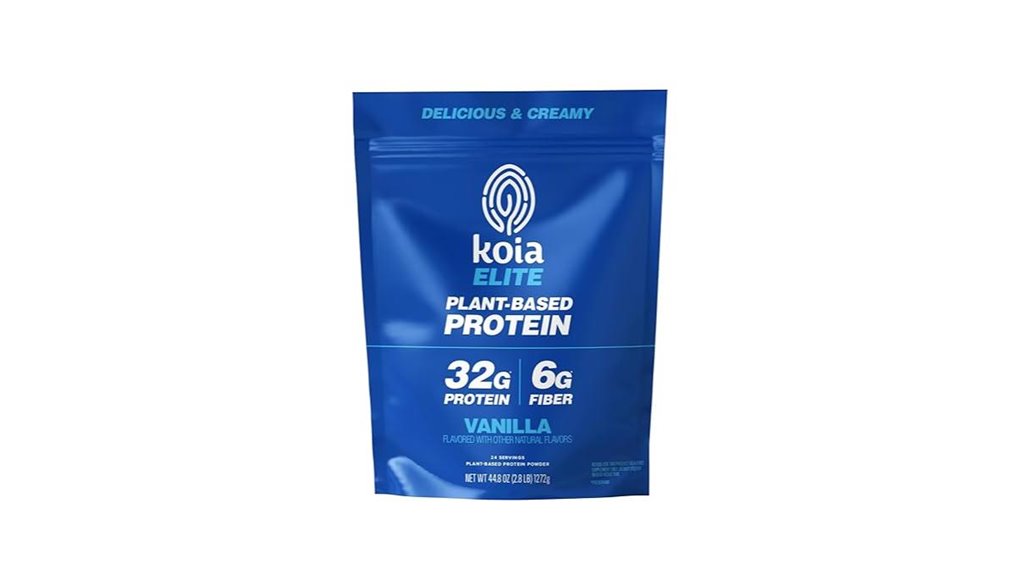
Koia Plant Based Protein Elite Powder in Vanilla stands out for vegan athletes who want a complete, dairy-free protein with added prebiotic fiber. You get 32g protein per serving, 4g sugar, and 6g prebiotic fiber from chicory root, plus 21 vitamins and minerals. This dairy-free, gluten-free, non-GMO formula uses pea protein for a complete amino profile and supports muscle growth and recovery. It contains 4g organic cane sugar and avoids erythritol or gums, delivering a smooth, digestion-friendly option. With 24 servings per container, it fits clean pre- or post-workout routines and versatile shakes or recipes. Designed for both men and women pursuing strength and wellness.
Best For: athletes and active individuals seeking a complete vegan, dairy-free protein with prebiotic fiber to support muscle recovery and wellness.
Pros:
- Complete plant protein from pea with 32g protein per serving
- Includes 6g prebiotic fiber and 21 vitamins/minerals for overall nutrition
- Dairy-free, gluten-free, non-GMO with no erythritol or gums for smooth digestion
Cons:
- Contains 4g organic cane sugar per serving
- Vanilla flavor may not suit all taste preferences
- 24 servings per container (higher daily use may require planning)
BetterBody Organic Plant-Based Protein Powder (12.7 oz)
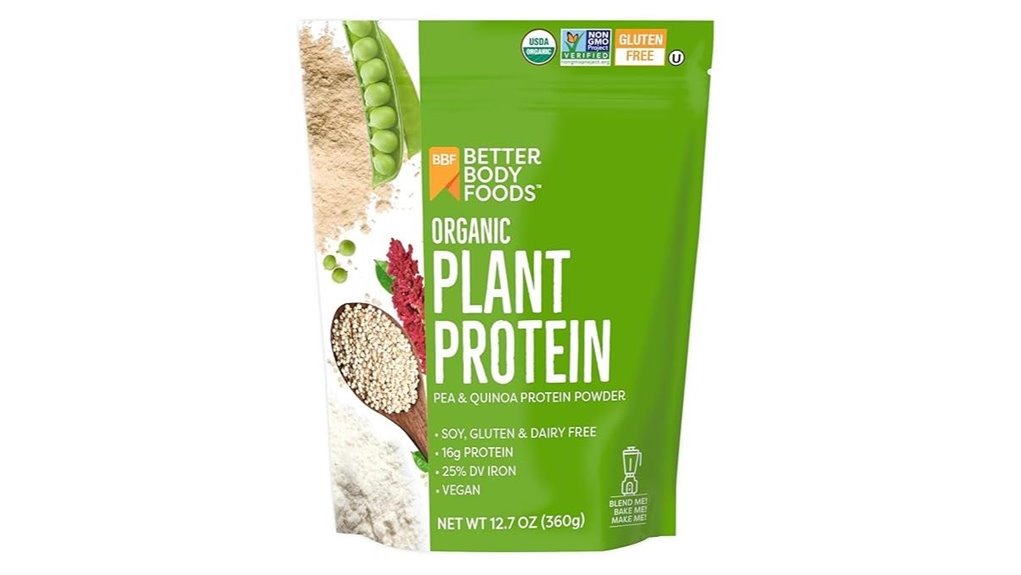
BetterBody Foods Organic Plant-Based Protein Powder stands out for smoothie-miners who want clean, reliable nutrition in a mostly neutral base. You get 16 g of plant protein per serving from a trio of organic ingredients—pea protein, quinoa powder, and natural flavor—delivered in a 12.7-ounce bag that yields about 17 servings. This USDA Organic, vegan, gluten-free, soy-free, dairy-free mix has no sugar added, no fillers, and no artificial flavors. Use it in breakfast shakes, baked goods, or smoothies for a smooth, neutral profile with no aftertaste. Perfect for versatile, everyday plant-based nutrition.
Best For: smoothie-miners seeking clean, versatile, plant-based protein with a neutral profile and all-organic ingredients.
Pros:
- 16 g plant protein per serving from pea protein, quinoa powder, and natural flavor
- USDA Organic, vegan, gluten-free, soy-free, dairy-free, with no sugar added and no fillers
- Neutral taste with no aftertaste, versatile for shakes, baking, and cooking
Cons:
- 12.7-ounce bag yields about 17 servings (may require larger size for frequent use)
- Three-scoop serving size may be less convenient for quick mixes
- Limited flavor options (neutral profile without additional flavors)
PEScience Select Vegan Protein Powder – Vanilla Indulgence
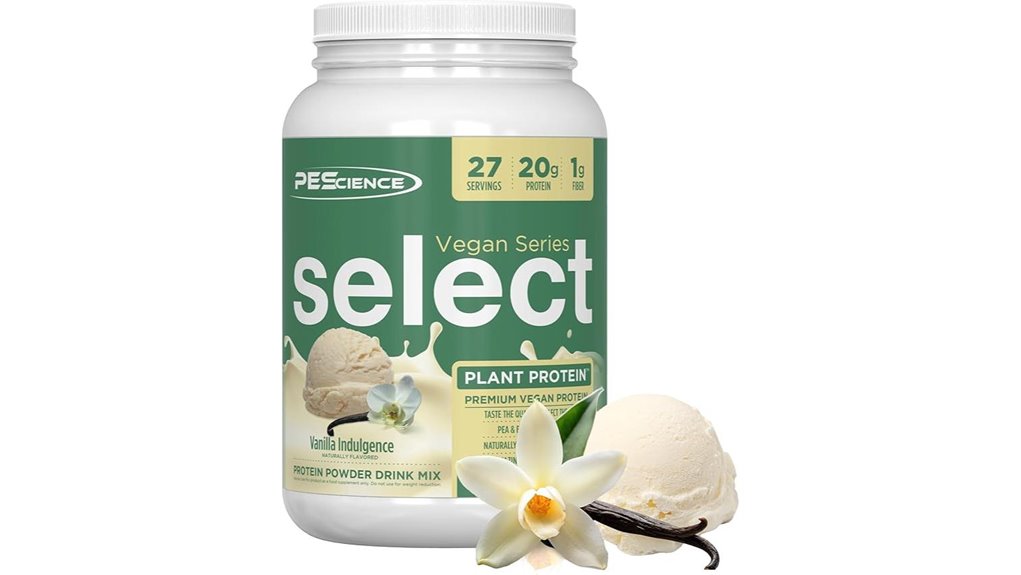
PEScience Select Vegan Protein Powder in Vanilla Indulgence stands out for athletes and muscle-focused know-how, thanks to its pea and brown rice protein blend that closely mirrors dairy-based protein in amino acid balance. You’ll get plant-based protein without gluten, soy, or dairy, plus lactose-free formulas and third-party testing for heavy metals and pesticides. Naturally sweetened with stevia and flavored with natural notes (cocoa nuance may read artificial). Enjoy a smooth, creamy mouthfeel that avoids grit, ideal for athletes prioritizing muscle maintenance. Packaged in 5-serving bags, it suits sampling and travel while delivering a muscle-supporting amino profile. Made in the USA since 2010.
Best For: Athletes and muscle-focused individuals seeking a dairy-free, gluten-free, soy-free plant-based protein with a creamier mouthfeel and trusted third-party testing.
Pros:
- Plant-based blend of pea and brown rice protein that mirrors dairy protein amino acid balance
- Gluten-free, soy-free, dairy-free, lactose-free; third-party tested for contaminants
- Smooth, creamy texture with minimal grittiness and naturally sweetened with stevia
Cons:
- Flavor notes may read more natural with cocoa nuance as artificial, depending on batch
- Smaller 5-serving bags may require more frequent repurchases for regular users
- Protein effectiveness can vary by individual powder and timing of intake
Hemp Protein Powder – Plant-Based Vegan Shake (1 Serving)
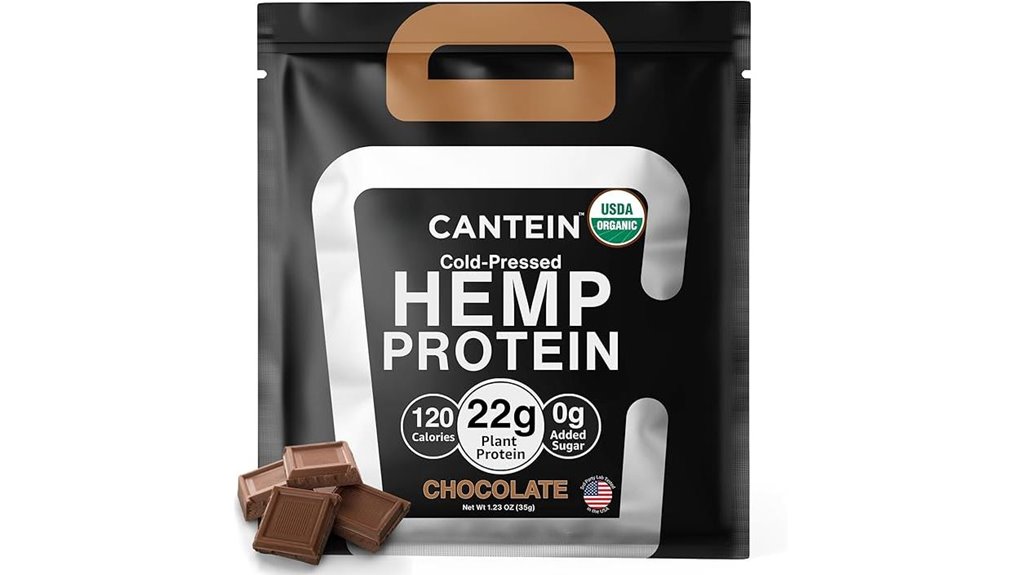
If you’re after a clean, plant-based shake with minimal ingredients, this Hemp Protein Powder – Plant-Based Vegan Shake (1 Serving) stands out: 22g of sugar-free protein per serving and a simple, six-ingredient label ensure you know exactly what you’re putting in your body.
This organic, 100% hemp protein mix is lactose-, dairy-, and gluten-free with a smooth natural chocolate flavor. It features a high-protein, low-calorie profile and is dairy- and gluten-free, low FODMAP, which may ease digestive discomfort for IBS or similar GI issues. Only organic monk fruit sweetens, no stevia, fillers, or artificial additives, making it transparent and suitable for various diets.
Best For: Those seeking a clean, plant-based protein shake with minimal ingredients, dairy-free and gluten-free, suitable for low-FODMAP diets and IBS-friendly options.
Pros:
- 22g sugar-free protein per serving from organic hemp and pea sources
- Only 6 natural ingredients with organic monk fruit sweetener and no artificial additives
- Lactose-, dairy-, and gluten-free; suitable for vegan, keto, and low-carb diets
Cons:
- May have a chocolate flavor preference bias for some; flavor could be less intense for those seeking sweeter profiles
- Hemp-based protein can have a distinct earthy taste that some users may dislike
- Plant-based protein powders can cause digestive adjustments for new users; may require trial to assess tolerance
Purely Inspired Plant-Based Protein Powder (French Vanilla)
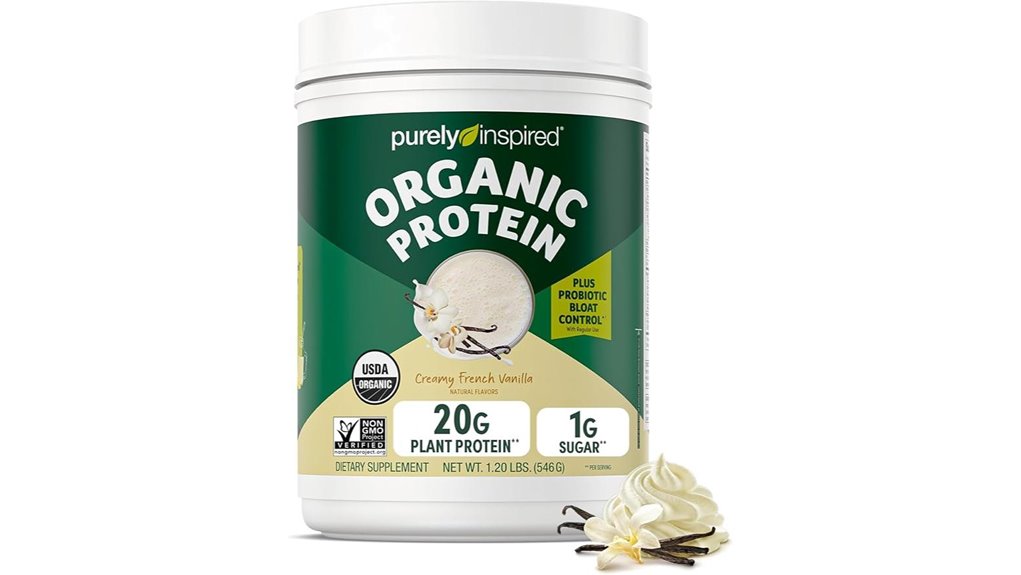
If you’re after a creamy, plant-based vanilla option that fits well into busy mornings, Purely Inspired Plant-Based Protein Powder (French Vanilla) stands out with 20 grams of plant protein per serving and a smooth, mixable texture that blends effortlessly into smoothies, coffee, or non-dairy drinks. This USDA organic, non-GMO, vegan-friendly powder delivers 4 grams of fiber per serving and iron comparable to 1 cup cooked lentils, all without added soy. Each container holds 16 servings, with a silky texture that mixes easily in water or non-dairy beverages. Free from artificial flavors, colors, or sweeteners, it aligns with transparent, pure formulas.
Best For: Busy individuals seeking a creamy, plant-based protein that blends easily into smoothies, coffee, or non-dairy drinks while avoiding soy and artificial ingredients.
Pros:
- 20 grams of plant protein per serving for strong daily intake
- Silky-smooth texture that blends easily in beverages
- USDA organic, non-GMO, vegan-friendly, dairy-free, gluten-free and soy-free formulation
Cons:
- 16 servings per container may require frequent repurchase for heavy protein users
- Vanilla flavor may be sweet for some preferences
- May not be suitable for those seeking low-fiber or lower-calorie options
Isopure Plant-Based Protein Powder, Unflavored (20 Servings)
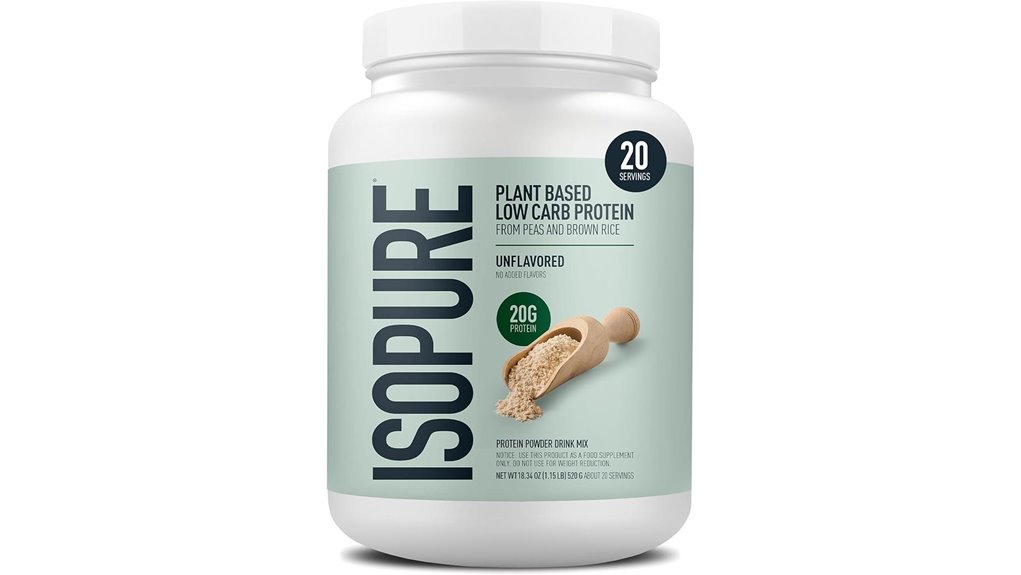
Looking for a dairy-free option that fits a high-protein routine without added soy or dairy? Isopure Plant-Based Protein Powder, Unflavored (20 Servings) gives you 20 servings per 1.15 lb container, designed for everyday nutrition. Each scoop delivers 20 g of plant-based protein from brown rice and pea sources, with a dairy-free, soy-free formula that’s lactose-free and gluten-free, plus iron. It blends easily with water or your preferred beverage, without sugar, in 10–12 oz of liquid. Use it in a shaker or blender to boost daily protein intake and maintain a high-protein diet without dairy or soy.
Best For: dairy-free, soy-free individuals seeking a high-protein plant-based option that fits into a lactose-free, gluten-free diet.
Pros:
- 20 g of plant-based protein per serving from brown rice and pea protein
- Dairy-free and soy-free formula suitable for dairy- and soy-avoidant lifestyles
- Unflavored mix that works with water or your preferred beverage
Cons:
- No sugar added, which may be less sweet for those who prefer flavored options
- Unflavored may be less appealing to some users compared to flavored varieties
- Contains iron, which is a consideration for individuals monitoring supplement iron intake
Factors to Consider When Choosing Plant Based Protein Powder Smooth
When choosing a plant-based protein powder, you’ll want to weigh protein source quality and how the sugar content aligns with your goals. Consider fiber and prebiotics for digestion, and check for allergens, gluten, and flavor and mixability to assure smooth shakes. This quick screening helps you balance taste, texture, and nutrition without surprises.
Protein Source Quality
Protein source quality hinges on a complete amino acid profile, which is often best achieved by combining pea, rice, or quinoa proteins to approach all nine essential amino acids. You want a formula that clearly lists protein sources like pea and brown rice rather than relying on a single legume, which helps reduce limiting amino acids. Look for shelf-stable blends with added prebiotic fibers (such as inulin) that support digestion without harming protein integrity. Third‑party testing and certifications—non-GMO, gluten-free, dairy-free—verify purity and quality of ingredients. Organic or minimally processed blends tend to preserve more nutrients, though flavor and texture vary with processing methods and any extra ingredients. Prioritize transparency, consistency, and ingredient integrity for reliable, balanced protein in smoothies.
Sugar Content Clarity
Sugar content clarity matters because even blends labeled “plant-based” can carry hidden sugars or sweeteners that spike carbs and affect taste. When you choose, look for explicit labeling like “no added sugar” or “sugar-free” to avoid surprise ingredients in the list. If sugar appears, note the type—organic cane sugar versus natural sweeteners—and the amount per serving to gauge your total carbohydrate load. Some products rely on non-traditional sweeteners, such as stevia or monk fruit, which still contribute sweetness without traditional sugars; check the exact type on the label. Your serving nutrition panel should separate total sugars from added sugars, so you clearly understand how much is truly added. This clarity helps you compare options and tailor blends to your goals.
Fiber And Prebiotics
Fiber and prebiotics can boost plant-based protein blends by supporting digestion, satiety, and gut health. Some powders include prebiotic fiber, around 4–6 g per serving in certain blends, to support digestive health and the gut microbiome. Prebiotic fibers like inulin or chicory root are added to raise fiber content without dairy ingredients, so you can enjoy plant proteins without whey. Including prebiotic fiber can improve satiety and post-meal fullness after a smoothie. The fiber type and source—whether inulin or chicory root—can influence sweetness and texture, potentially affecting blendability. A higher fiber content may interact with mineral absorption, so check serving-level fiber data when comparing products to avoid unexpected impacts on nutrient uptake.
Allergens And Gluten
When choosing plant-based protein powders, watch out for allergens and gluten to protect your health. You can find dairy-free, gluten-free, and soy-free formulations, reducing common allergen exposure. Always look for gluten-free certification or explicit gluten-free labeling to guarantee compatibility with gluten intolerance or celiac disease. Some products use alternative grain bases like brown rice protein or seeds to maintain texture and amino acid balance while avoiding gluten. Be aware of cross-contact risk if facilities process wheat-containing products; choose dedicated facilities or strict allergen controls when possible. Remember, allergen-related claims (dairy-free, soy-free) don’t guarantee absence of other triggers—read ingredient lists carefully for nuts, peanuts, or sesame. Prioritize transparency, and verify labels before purchasing.
Flavor And Mixability
What makes plant-based protein powders truly enjoyable is how they taste and blend. You’ll notice smooth, clump-free mixes when brands blend proteins like pea and brown rice and cut fillers, especially with water or non-dairy milks. Natural sweeteners and flavors, such as stevia or monk fruit, shape perceived sweetness and aftertaste; some powders claim no chalky aftertaste. Vanilla and chocolate options can influence mouthfeel, with formulas aiming for a creamy, dairy-like texture while staying dairy-free. Non-gritty textures are common in vegan blends that avoid gums and balance protein ratios. Consider serving size and how you’ll mix it—shakes, coffee, or baking—as these choices affect mouthfeel and ease of blending across your routine.
Digestive Comfort
Digestive comfort matters as much as taste and mixability when picking a plant-based protein powder. You’ll want a formula that supports gut comfort with added prebiotic fiber—about 4–6g per serving helps nourish friendly bacteria without causing bloat. Look for fiber sources like inulin or chicory root, but note some products skip gums for a smoother texture. If you’re sensitive to sugars, choose sugar-free options to reduce digestive upset, while staying mindful that sugar alcohols can irritate some people. Favor a clean label: pea, rice, quinoa, or hemp with minimal fillers usually digests more easily. Third-party testing and gluten-free, dairy-free, and soy-free labels can further indicate lower inflammatory risk for sensitive systems.
Serving Size Consistency
Choosing plant-based protein powder with consistent serving sizes simplifies tracking your daily intake and prevents under- or over-dosing. You want clear servings listed in grams, scoops, or approximate volume so you can measure accurately. Compare how many servings are in each container to gauge overall value and total protein per purchase, preventing surprises at checkout. Look for consistency across product pages to avoid miscalculations when mixing powders. Be mindful of variability in scoop size or the recommended scoop count per serving, since this can shift the labeled protein grams you rely on. Also note any gaps between “per serving” nutrition and the actual serving size, which could skew daily protein goals. Prioritize transparency to maintain reliable, steady progress toward your protein targets.
Certifications and Sourcing
Certifications and sourcing matter because they confirm what’s in the bottle and how it’s produced. When you choose a plant-based protein powder, look for USDA Organic, Non-GMO, and vegan/vegetarian labels to verify ingredients and farming practices. If you have allergies, check gluten-free and dairy-free claims and assess cross-contact risk. Seek third-party testing or certifications for heavy metals, potency, and purity to validate label accuracy and safety. Review sourcing transparency, favoring organic ingredients and clearly listed supply chain information. Note whether the product is certified kosher or carries other dietary endorsements that may influence suitability for your diet. In short, credible certifications and transparent sourcing help you make informed, safer, and more consistent smoothie choices.
Common Questions
How Do Flavor and Texture Affect Mixability?
Flavor and texture heavily influence mixability. If flavors are too sweet or artificial, you’ll notice grit or clumps as you blend. A milky, smooth texture helps liquids absorb powder quickly, reducing lumps, while richer blends can mask tiny graininess. Opt for fine, zero-sugar options and add a splash of liquid slowly, then blend longer. Use a high-speed blender, and shake briefly after blending to improve cohesion and a creamier mouthfeel.
Are These Powders Suitable for Cooking and Baking?
Yes, you can cook and bake with many plant-based protein powders, though you’ll want to pick ones that suit heat well. Think of them as reliable tools shaping your kitchen story—some blend smoothly, others need gentle whisking. Start with small substitutions, watch texture, and adjust liquids. You’ll taste resilience in every bite, not just protein. Use unsweetened varieties for savory dishes and flavored ones for sweets, testing temps to avoid clumping.
Do They Contain Common Allergens or Gluten?
They can contain common allergens or gluten, but it varies by brand and formula. Check labels for peanuts, tree nuts, dairy, soy, sesame, egg, and gluten ingredients. Look for allergen statements and certifications like gluten-free. If you have sensitivities, choose powders labeled dairy-free, soy-free, nut-free, or certified gluten-free, and confirm facility cross-contact practices. When in doubt, contact the manufacturer for specifics about processing and potential cross-contamination.
What’s the Best Daily Protein Intake for Vegetarians?
A solid target for vegetarians is about 0.8 to 1.0 grams per pound of body weight daily, so you’ll likely aim around 1.0 g/kg per kilogram of lean mass. You’ll need more if you’re side-stepping workouts or building muscle. Listen to your energy, adjust as needed, and spread protein across meals. Pair plant sources to hit all essential amino acids, and consider timing around workouts for best results.
Do These Powders Include Added Sugars or Sweeteners?
Yes, many plant-based protein powders include added sugars or sweeteners, though some options keep them out. Look for terms like “added sugar,” “maltodextrin,” or “erythritol” in the ingredients. If you want no sweeteners, choose powders labeled “unsweetened” and pair them with your own fruit or spices. You’ll want to read nutrition facts to confirm grams of sugar per serving and compare brands to find one that fits your taste and dietary goals.
All Together
You’re the captain of a ship steering through foggy seas of options. Each protein powder is a lighthouse—pearl-toned, sturdy, guiding you toward steady fuel and kinder digestion. Pick a beam that matches your voyage: creamy vanilla horizons, or unflavored seas for bolder sails. Trust transparency as your compass, and let versatility be your sturdy hull. In the end, the right blend keeps your course true and your journey flavorful.