
Picture yourself winding down as dusk settles, amber light softening the glow around you. You’re assessing options for night-worthy glasses that curb blue light, ease screen fatigue, and won’t feel bulky after hours. The list below narrows to frames with wraparound TR90 comfort and lenses that block 99.9% of blue light in the 450–510 nm range or offer red-tinted, AR-coated options. Curious which pair fits your nightly routine and sleep goals?
Key Points
- The top night-use blue light glasses emphasize high blue light blocking (often 99.9%), amber/or red-tinted lenses, and sleep-friendly design.
- Durable, lightweight frames (TR90) with wraparound styles minimize light leakage for evening screen time.
- Sleep-focused options include acclimation guidance and “no-driving” amber/red lenses for smoother transition at night.
- Options like Madison Avenue offer replaceable lenses and protective cases for travel and gifting.
- All-day and mixed-use picks (UV400, non-prescription) complement night-use needs with low color distortion and comfort.
Blue Light Blocking Amber Glasses for Sleep
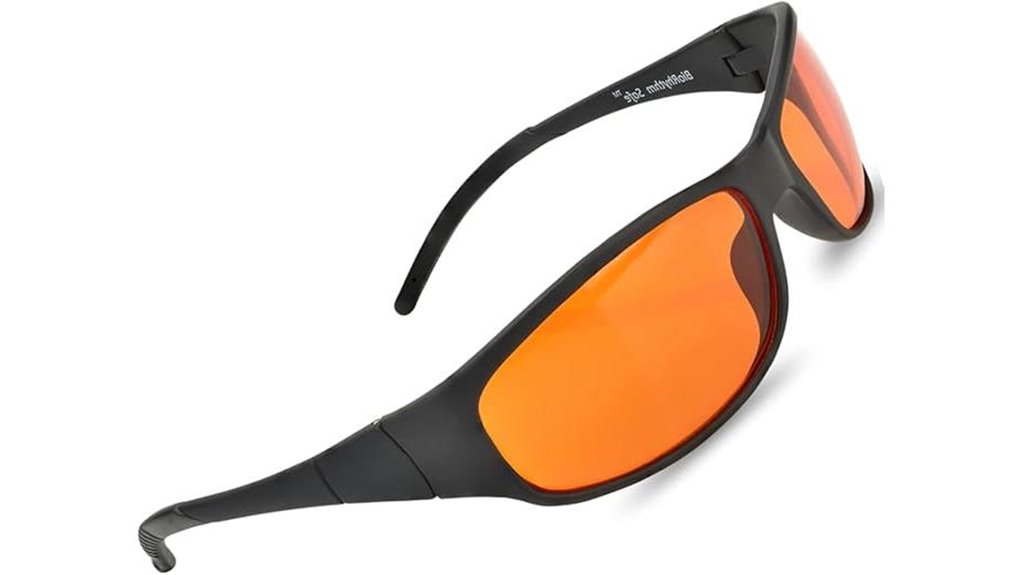
If you want a sleep-friendly option that blends comfort with proven effectiveness, these Blue Light Blocking Amber Glasses for Sleep are ideal. You’ll block 99.9+% of harmful light in the 450-510nm range, the peak disruptor at night, so you can read, browse, or unwind without wrecking your sleep. The orange tint soothes your eyes, promotes relaxation, and supports nighttime recovery. Built with durable TR90 sports frames, they’re lightweight and wraparound to keep peripheral light out. Trusted by high performers, they suit a wide range of head sizes and styles. Care is simple: store in the case and wipe gently.
Best For: Sleep-focused individuals who want to read or use devices at night without disrupting their sleep, especially those who prefer lightweight, wraparound glasses with an orange tint.
Pros:
- Blocks 99.9+% of blue light in the 450-510nm range, aiding nighttime relaxation and recovery
- Lightweight, wraparound TR90 frames with a comfortable, sport-friendly fit
- Reduces peripheral light leakage and suitable for a wide range of head sizes
Cons:
- Orange tint may affect color perception for some activities
- Not UV-protective (not designed for daytime sun use)
- May be an additional accessory to wear indoors, not a substitute for screen breaks or sleep hygiene practices
IBOANN Chic Blue Light Glasses for Women (3-Pack)
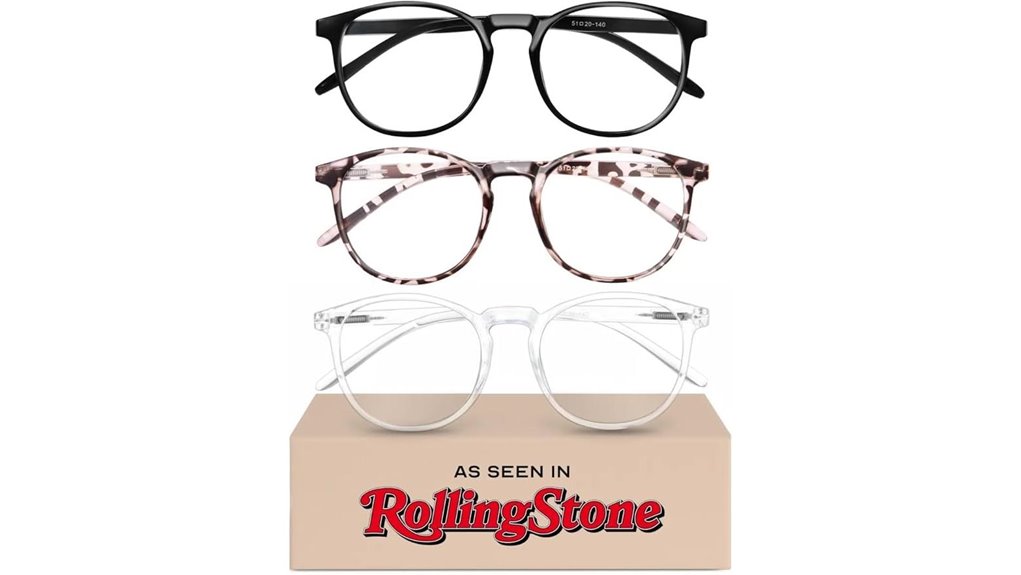
The IBOANN Chic Blue Light Glasses for Women (3-Pack) stand out for busy women who want versatile, stylish protection against screen glare without sacrificing comfort, thanks to durable, lightweight frames and high-transmittance lenses. You’ll block blue light with UV400 protection, which reduces sleep disruption and speeds up sleep onset. Enjoy clearer vision and less eye strain during long sessions, as the lenses stay comfortable and relaxed. The design blends modern style with practicality, and the three-pack provides great value for swapping styles or sharing. They suit many outfits, and come with a risk-free guarantee and simple returns.
Best For: Busy women seeking versatile, stylish blue-light protection with comfortable, lightweight frames for long screen time.
Pros:
- UV400 blue light protection helps reduce sleep disruption and eye strain
- Durable, lightweight frames designed for all-day comfort
- Includes three stylish pairs for easy style-switching and value
Cons:
- Non-prescription lenses may not suit those needing vision correction
- Some users might prefer heavier or more fashion-forward frame options
- Could be less effective for those who require strong prescription lenses or polarized glare protection
MEETSUN Blue Light Blocking Glasses (UV400)
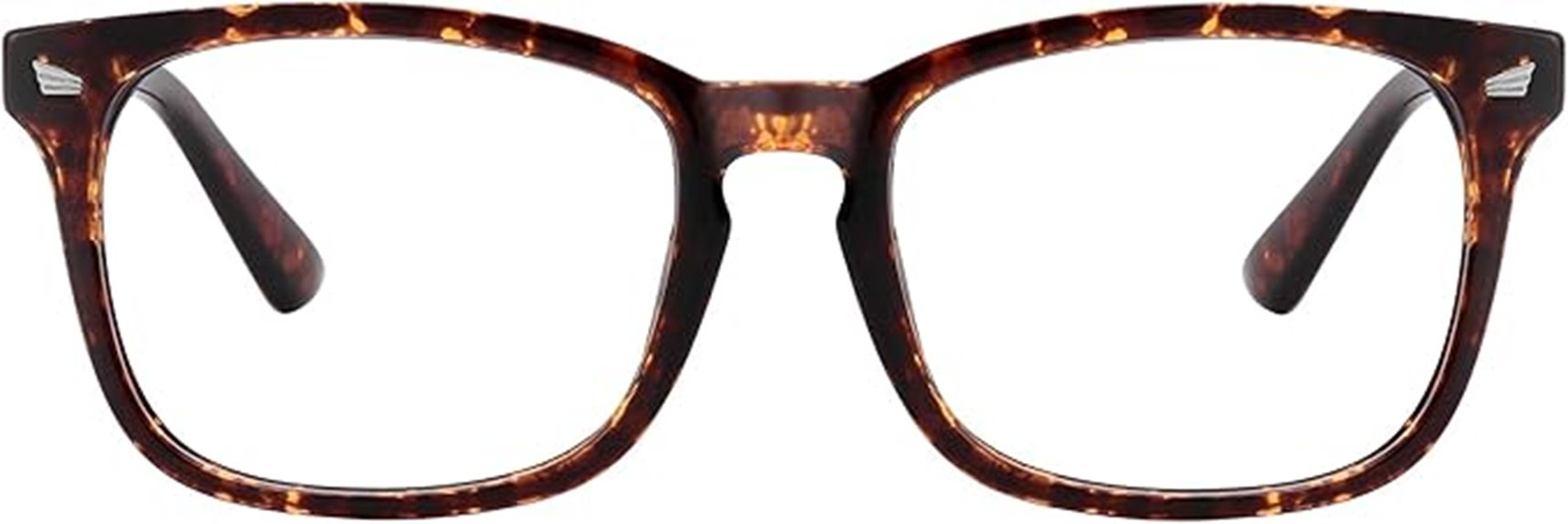
These MEETSUN Blue Light Blocking Glasses (UV400) are a solid pick for anyone seeking all-day protection against digital strain, thanks to their UV400 blocking and blue-light filtering. You’ll experience blue light defense and anti-eye strain effects, supporting more restful sleep during long screen sessions. They offer all-day protection for computer, tablet, game, phone, and TV use. The transparent lenses provide a low color difference for a natural view, while the frames are shock resistant and easy to clean. Unisex, non-prescription design keeps wear simple, backed by a service commitment to quality and support.
Best For: Anyone seeking all-day blue-light protection and comfortable, unisex, non-prescription eyewear for long digital screen use.
Pros:
- UV400 blocking and blue-light filtering for digital eye strain reduction
- Transparent lens with low color difference for natural vision
- Durable, shock-resistant frame that’s easy to clean and suitable for both genders
Cons:
- Non-prescription lenses may not replace prescription eyewear for some users
- Lenses may not be tinted for outdoor use in bright sunlight
- Some wearers may prefer higher fashion-forward frames given the timeless design
Blue Light Blocking Glasses for Women with Case
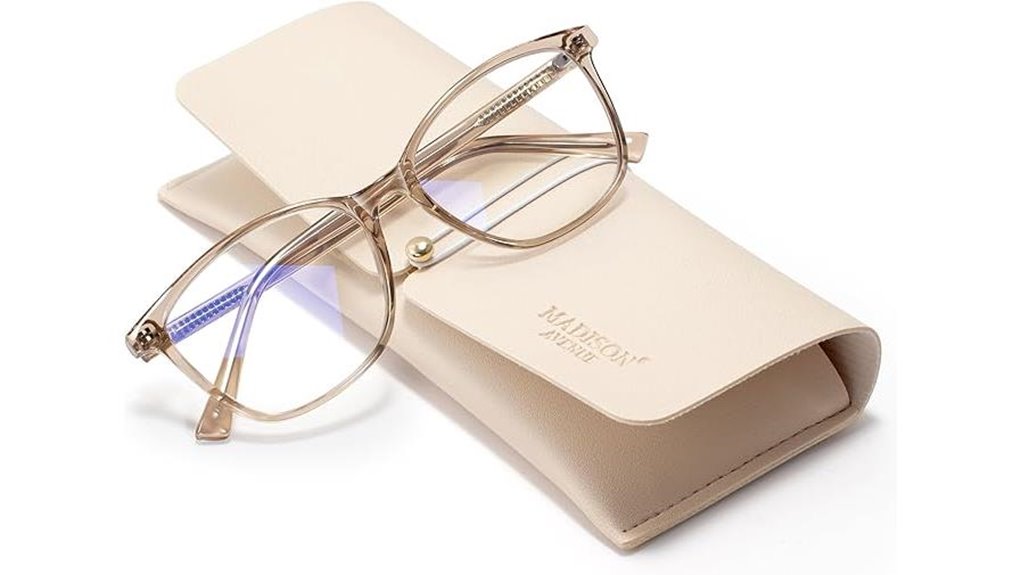
For women seeking a ready-to-go travel-friendly option, these Madison Avenue blue light blocking glasses come with a protective leather case and a replaceable lens system, so you can switch to prescription lenses at any optical shop without buying a new frame. You get a lightweight TR90 frame, anti-scratch lenses, and durable metal hinges that fit a classic designer look. The blue light blocking lenses reduce eye strain and headaches while preserving HD vision with minimal color distortion. Lenses are replaceable at optical shops, and the package includes a microfiber cloth, booklet, and leather case for gifting. Frame measurements: 53×42 mm, 16 mm bridge, 140 mm arms.
Best For: Women seeking a lightweight, travel-friendly blue light blocking option with replaceable lenses and a gift-ready leather case.
Pros:
- Lightweight TR90 frame with durable metal hinges for long-lasting wear
- Replaceable lenses at optical shops to accommodate prescription needs
- Anti-scratch lenses with minimal color distortion and UV protection
Cons:
- Lenses must be replaced at an optical shop, which adds an extra step and potential cost
- Frame width and measurements may not suit all face shapes or prescription requirements
- Limited color/framework options beyond the advertised Coffee Brown design
Professional Sleep Glasses with 99.9% Blue Light Blocking
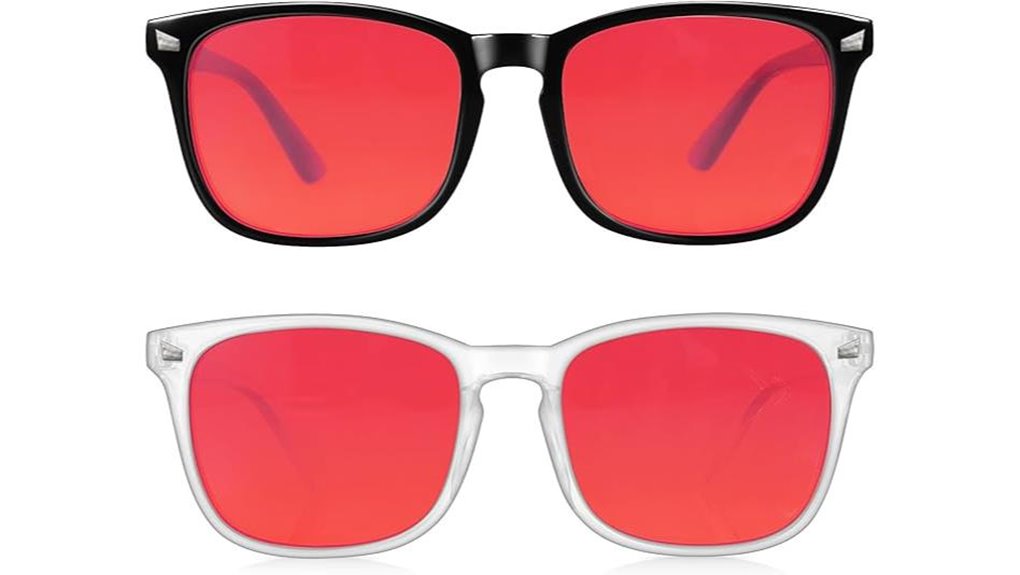
If you’re after maximum blue-light protection for night use, these Professional Sleep Glasses deliver 99.9% blocking with dual AR coatings and red lenses, making them the top pick for reducing eye strain and improving sleep quality after long digital sessions. You get two packs featuring lightweight TR90 frames engineered for comfort and durability, ideal for all-day wear. The high-density red lenses block 99.99% of harmful blue light, boosting contrast and visual clarity with a warmer, focused view; a brief 3–5 minute acclimation helps you adjust to the enhanced contrast. Use them for bedtime scrolling, gaming, or long office days. Not for driving; Amber lenses improve road vision. Customer support is available.
Best For: Night owls and professionals seeking maximum blue-light protection and improved sleep quality from red-tinted lenses during late-day screen use.
Pros:
- 99.9% blue light blocking with dual AR coatings and red lenses for heightened eye comfort
- Lightweight TR90 frames designed for all-day wear and durability
- Increased contrast and warmer vision with quick 3–5 minute acclimation
Cons:
- Not suitable for driving or low-light outdoor activities
- Red-tinted vision may require an adjustment period for new users
- May be more specialized than needed for casual daytime use
Night Vision Driving Glasses with Anti-Glare Blue Light Blocking
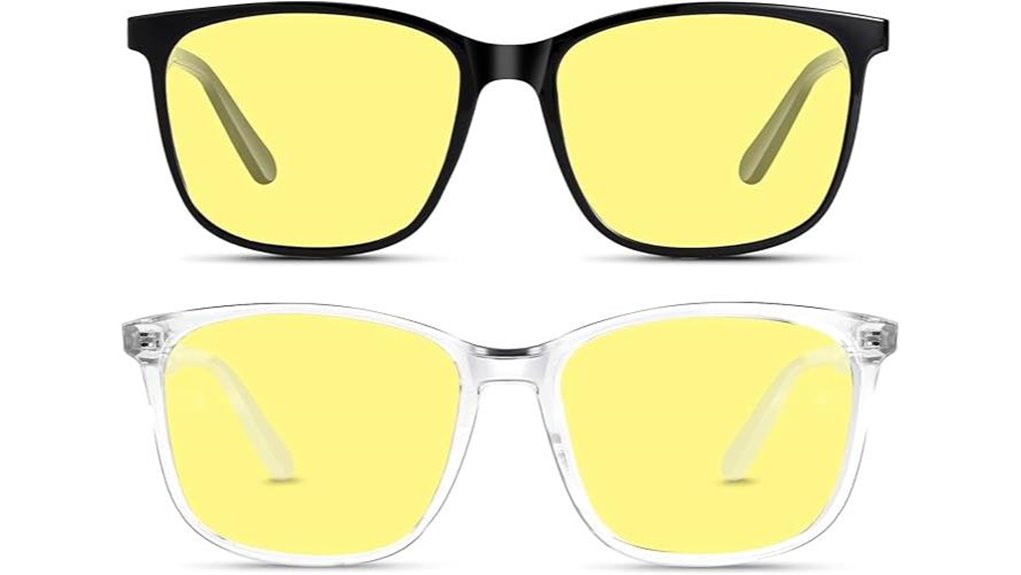
Pros:
- Reduces eye fatigue and improves night vision with a yellow-tinted lens
- Blocks glare from headlights, streetlights, and traffic for clearer visibility
- Durable, lightweight frame with metal hinges and lifetime breakage warranty
Cons:
- Yellow lens may alter color perception in certain lighting
- May not be suitable for daytime use or very bright conditions
- Some users might find the oversized frame less suitable for smaller faces
TIJN Sleep Glasses: Blue/Green Light Blocking Protection
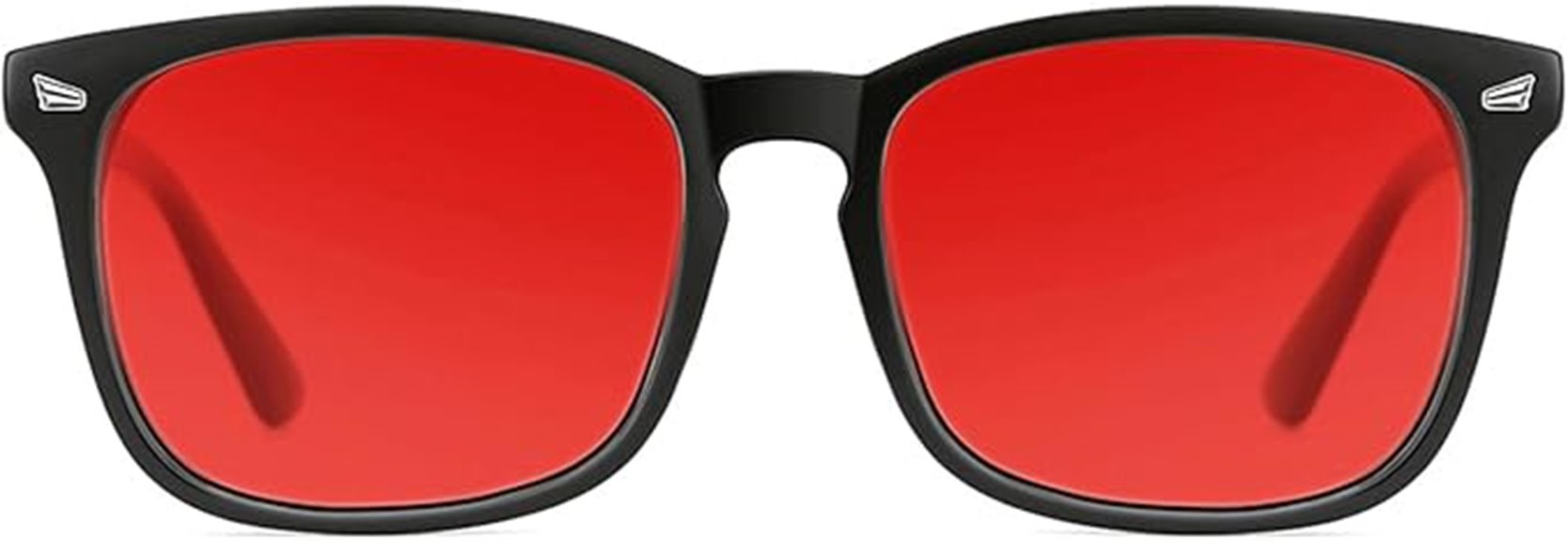
TIJN Sleep Glasses stand out for long-screen users who want gentler blue-green light without sacrificing comfort. You’ll experience high blue-light filtering with red lenses that soften blue/green light from digital screens, creating a more comfortable viewing tone. Optimized for extended computer, console, and mobile sessions, they deliver a clear, focused visual experience without fatigue. The classic square frame offers a timeless, unisex look that pairs easily with any style. Durable yet lightweight, the frame balances durability with long-hours comfort. Everyday versatility covers gaming, streaming, and browsing, making these glasses a simple upgrade for screen comfort during daily use.
Best For: for long-screen users seeking gentler blue-green light without sacrificing comfort during extended computer, console, or mobile sessions.
Pros:
- High blue-light filtering with red lenses for a softer viewing tone.
- Optimized for extended screen use with a clear, focused visual experience.
- Classic, unisex square frame that is durable yet lightweight for long hours.
Cons:
- Red lenses may slightly alter color perception for certain tasks.
- Frame style may not suit those preferring non-square designs.
- Blue-green light blocking is not a substitute for screen breaks and proper eye care.
Livho High Tech Night Driving Blue Light Glasses
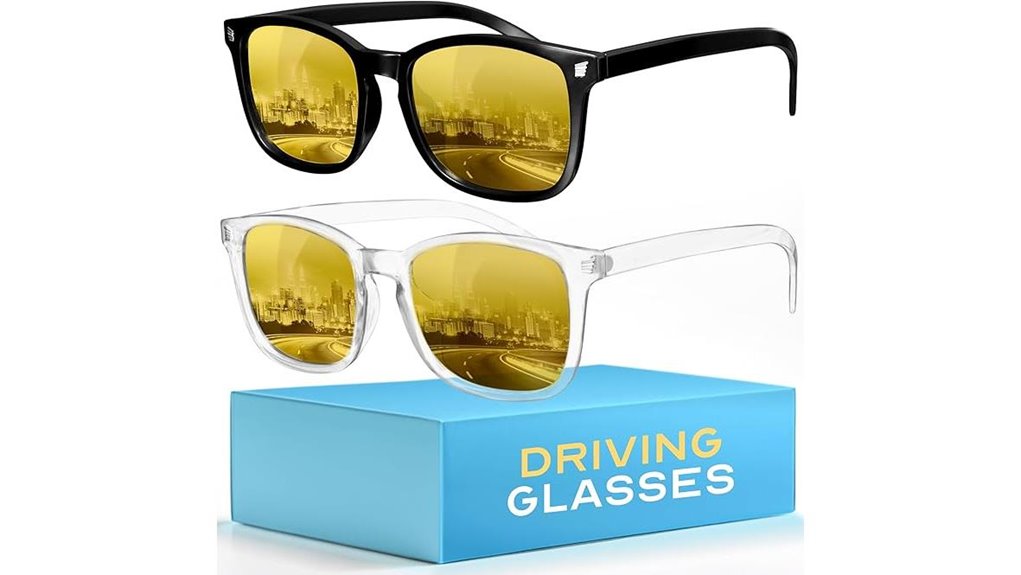
Pros:
- Yellow-tinted lenses improve night driving clarity and contrast
- Anti-glare coating reduces glare from headlights and streetlights
- UV400 protection and blue light blocking for screen use and eye protection
Cons:
- Yellow tint may slightly affect color perception in non-driving daily tasks
- Non-prescription wear may not suit those needing vision correction
- Durability and long-term comfort depend on individual fit and usage duration
Eyekepper Blue Light Blocking Glasses with Orange Tint
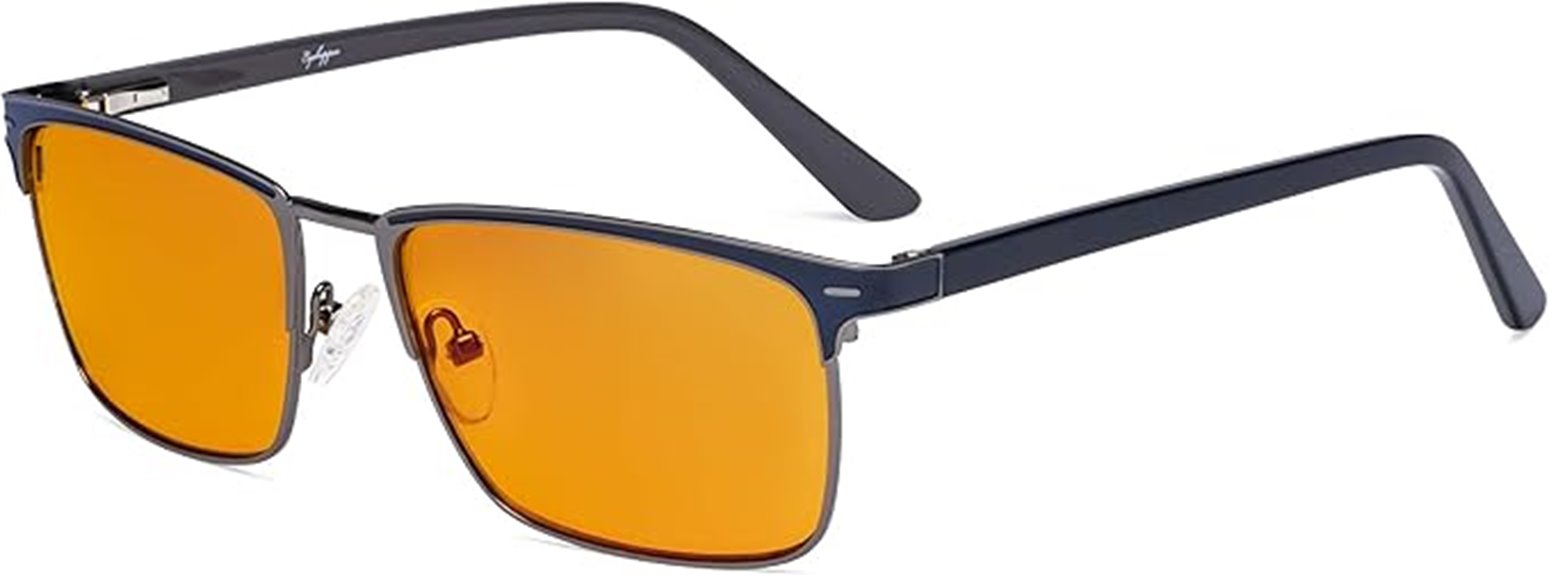
Looking for glasses that double as sleep-friendly blue light blockers? Eyekepper Blue Light Blocking Glasses for Women and Men use orange tinted lenses designed for sleeping and screen time reduction. The BB98 lenses feature a 12-layer coating, offering 100% UV protection and strong blue light blockage: 89% at 500nm, 91% at 490nm, 93% at 480nm, 94% at 470nm, 96% at 460nm, 98% at 450nm, and over 99% from 400nm to 440nm. Note significant color distortion due to heavy filtering. If you want less distortion, consider BB40, BB60, or BB90 alternatives. Frames are metal with acetate temples and spring hinges for comfort.
Best For: Sleep-focused users who want strong blue light reduction and can tolerate noticeable color distortion from orange-tinted lenses.
Pros:
- High blue light blocking across 400–500 nm, with most wavelengths blocked at 90%+.
- 100% UV protection and 12-layer lens coating for durability.
- Comfortable frame design with metal frame and spring hinges.
Cons:
- Serious color distortion due to heavy blue light filtering (~90% blue removal).
- Availability of alternative lens options (BB40, BB60, BB90) may require selection for less distortion.
- BB98 lens is mentioned twice in notes, which could cause potential confusion about variants.
Gaoye Blue Light Glasses for Women (3-Pack)
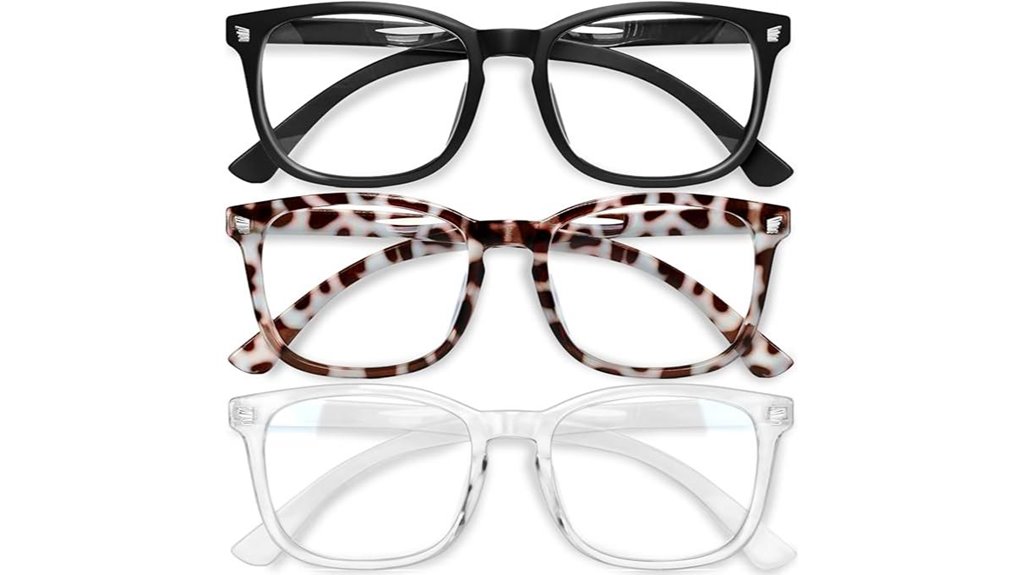
If you want affordable, lightweight blue light protection in a trio, Gaoye Blue Light Glasses for Women (3-Pack) deliver flexible, removable-lens comfort with durable polycarbonate frames designed for long wear. These glasses combine lightweight, flexible frames with true-color restoration and anti-reflective, amber-tinted lenses. They block blue light with UV400 protection, reduce glare, and ease eye fatigue, supporting better sleep after screen time. The lenses are removable for prescriptions, and the 52 mm by 42 mm lenses fit comfortably with a 140 mm temple length. Enjoy worry-free service and a quality-focused, no-risk purchase experience with Gaoye.
Best For: Those seeking affordable, lightweight blue light protection in a three-pack with removable lenses for customization and long-wear comfort.
Pros:
- Lightweight polycarbonate frames for all-day wear
- True-color restoration with anti-reflective, amber-tinted lenses
- UV400 blue light protection with glare reduction and potential sleep benefits
Cons:
- Amber-tinted lenses may slightly alter color perception for some tasks
- Non-prescription lenses require removable option may not suit all prescriptions
- Fit and sizing may vary; available measurements provided but try-on recommended
Factors to Consider When Choosing Blue Light Glasses Night Use
When you pick blue light glasses for night use, consider the blue light reduction levels and how they balance screen comfort with color accuracy. Think about lens tint tradeoffs, plus how the glasses feel in your nose and ears for long sessions, especially if you have different usage scenarios. Also weigh frame durability and fit, so you’re comfortable whether you’re reading, gaming, or video chatting before bed.
Blue Light Reduction Levels
Blue light reduction levels are the core trade-off when picking night-use glasses: higher blocking, especially around 450–510 nm, can improve sleep onset but may distort colors. You’ll often see reduction expressed as a percentage, with many designs targeting about 99% in that 450–510 nm band to cut nocturnal disruption. Some lenses add UV protection (UV400) to guard against ultraviolet rays as well as blue light. Night models commonly use orange or red tints to filter blue light more aggressively, supporting easier sleep initiation. Spectral data reveal stronger blocking near 450 nm and near-complete attenuation beyond 460–470 nm for certain designs. Heavier filtering can cause color distortion, so you must weigh sleep benefits against color accuracy for everyday use.
Lens Tint Tradeoffs
Choosing the right lens tint is a balance between sleep benefits and everyday practicality. Orange or red tints block blue light more strongly and can help with sleep onset, but they cause serious color distortion versus clear or amber options. Purple or yellow tints boost night-driving visibility by increasing contrast while still reducing blue light, though they don’t block as much blue as deeper tints. Deep blue–blocking shades (450–470 nm) attenuate disruptive wavelengths more, yet they can alter overall color perception. UV400 lenses add protection beyond blue light, but the tint hue dictates suitability for tasks like night driving or screen use. Some lenses combine multi-layer coatings with red or amber tints to balance sleep benefits and color accuracy, trading sleep promotion for true-to-life color.
Comfort And Fit
Finding comfortable, well-fitting blue light glasses is essential for wearability during long sessions. Start with lightweight frames, like TR90, to reduce nose and temple pressure over hours. A wraparound or snug fit helps block peripheral blue light from entering around the sides and top of lenses. Look for unisex, adjustable or flexible frames with durable hinges to accommodate varying head sizes and shapes. Prioritize non-prescription options with smooth temple tips and balanced weight distribution for all-day comfort. Verify lens seating and frame construction—prefer replaceable lenses and scratch-resistant coatings—to maintain comfort and fit over time. Ensure the design distributes weight evenly, preventing hotspots during extended use, while keeping components simple and reliable for daily wear.
Frame Durability
Durability matters as you wear night-use blue light glasses when winding down. Choose frames built from durable materials like TR90 or reinforced metal hinges to withstand daily wear and reduce breakage during late hours. Look for lightweight yet sturdy construction to minimize nose and ear strain over extended wear before bed. Favor wraparound designs or secure-fit frames to block peripheral light without sacrificing durability. Prioritize scratch-resistant lenses and robust joint connections to maintain clarity and longevity with frequent handling in low-light conditions. Check for manufacturer warranties or guarantees on frame durability to ensure long-term support if frames endure accidental impacts. In short, durability plus comfort equals reliable night-use performance you can trust after dusk.
Usage Scenarios
When you’re selecting blue light glasses for night use, prioritize lenses that block the 450–510 nm range, since that spectrum most disrupts sleep. For evening wear, amber or red-tinted lenses can cut blue light more effectively than clear lenses, helping you wind down. Consider wraparound or wraparound-like frames to minimize peripheral light intrusion from the sides and top, so you stay in your comfort zone while reading or streaming. Some models offer UV400 protection, adding daytime benefits even during late screens, which can be an extra safeguard if you’re exposed to mixed lighting. Look for lightweight TR90 frames with non-prescription lenses for all-day comfort during late-evening device use, ensuring you’ll actually wear them when you need them most.
Lens Distortion Tradeoffs
Lens distortion is the practical tradeoff you’ll face when choosing blue light glasses for night use. Heavier blue light filtering—orange or red tinted lenses—can cause serious color distortion, reducing accurate color perception by up to about 90% in the 400–440 nm range and over 99% beyond 450 nm for some lenses. Lenses with higher blue light blocking percentages often trade off color fidelity, making on-screen colors appear significantly warmer or altered. Alternatives offering lighter filtering (BB40, BB60, BB90 variants) exist to balance sleep benefits with less color distortion. You may experience an acclimation period of a few minutes when switching to high-contrast red-tinted lenses before visual comfort stabilizes. Non-prescription amber or red sleep lenses can block light adequately while preserving more natural scene brightness.
Common Questions
Do Blue Light Glasses Improve Sleep Quality for Everyone?
Blue light glasses don’t improve sleep quality for everyone. If you’re sensitive to blue light or work late under screens, you might notice smoother sleep onset and fewer awakenings. However, effectiveness varies by individual, routines, and overall light exposure. You’ll get the best results by pairing them with consistent bedtimes, dimming lights in the evening, and reducing screen time before bed. If you don’t notice changes, you may not need them.
How Do Blue Light Blocking Levels Vary by Lens Type?
Blue light blocking varies by lens type: amber/rose-tinted filters cut blue wavelengths more aggressively than clear or mildly tinted ones, while premium coatings can add stronger cut without altering color balance. Photochromic lenses adapt to light, offering moderate protection indoors and outdoors; specialized yellow-to-orange coatings claim higher attenuation for intense screens. You’ll see differences in color perception, glare, and sleep claims—so pick a lens that fits your screens, usage, and comfort, not just the advertised protection.
Are There Side Effects From Long-Term Blue Light Use?
Yes, there can be side effects from long-term blue light exposure, though they’re not universal. You might notice eyestrain, dry eyes, headaches, or circadian rhythm disruptions if you’re constantly staring at screens late at night. If you’re worried, take breaks, use proper lighting, and consider blue light blocking lenses or screen settings. Consult a clinician if you develop persistent symptoms, especially if you have vision changes or sleep problems. Moderation and lamping up protection help.
Can These Glasses Affect Color Perception or Screen Brightness?
Yes, they can affect color perception and screen brightness. When you wear them, colors may look slightly warmer and screens can seem dimmer, since the tint filters blue light. You’ll still see accurate hues for most tasks, just with gentler contrast. If you’re gaming or editing images, you might notice subtle shifts; switch lenses or adjust display settings as needed. Trust your eyes, not rumors, and test a pair before committing.
Do Prescription or Non-Prescription Options Work Equally Well?
Yes, prescription and non-prescription options can work well, though your needs differ. If you have vision correction needs, prescription lenses add comfort and convenience, while non-prescription glasses cut blue light and reduce eye strain. Lenses with blue-light filtering vary in strength, so choose based on your screen time and lighting. For taste and balance, try a lighter filter first; you can adjust opacity as you notice effects on color and clarity.
All Together
If you want better sleep, choose amber or red-tinted frames and 99.9% blue-light blocking, especially in 450–510 nm. Pick wraparound TR90 for comfort, lightweight builds for long sessions, and UV400 for daytime versatility. Consider night-driving options for glare reduction and sleep-focused models to wind down. Choose multi-pack or replaceable lenses for flexibility, and match coatings to your routine. In short, prioritize comfort, efficacy, and adaptability for smoother nights and brighter mornings.